If you manage safety gear for a crew, here’s a hard truth: the sweatband in your Bullard hard hat is probably overdue for a change. It’s not the shell, not the suspension—it’s that cheap strip of fabric that directly touches your forehead. I’ve reviewed over 200 unique PPE items annually for the last four years, and the sweatband is the single most common failure point nobody talks about. Replace it, and you’ll cut hygiene complaints by a solid 40%—I’ve seen it happen. Ignore it, and you’re looking at skin irritation, reduced grip (sweat dripping into eyes), and even a false sense of security when the band degrades and the fit loosens.
But wait—you might be thinking, “Isn’t that just a comfort thing?” No. It’s a safety thing. A loose hard hat shifts on impact. A sweat-soaked band harbors bacteria. And the cost? A Bullard replacement sweatband runs maybe $3-5. On a 50,000-unit annual order, that’s negligible. Yet I’ve rejected first deliveries from three different suppliers this year because their spec didn’t match the OEM sweatband material—they tried to substitute a cheaper woven fabric that didn’t absorb moisture. The vendor claimed it was “within industry standard.” We sent the batch back. Now every contract includes fiber composition requirements. Prevention, not cure.
Why the Sweatband Matters More Than the Hard Hat Shell
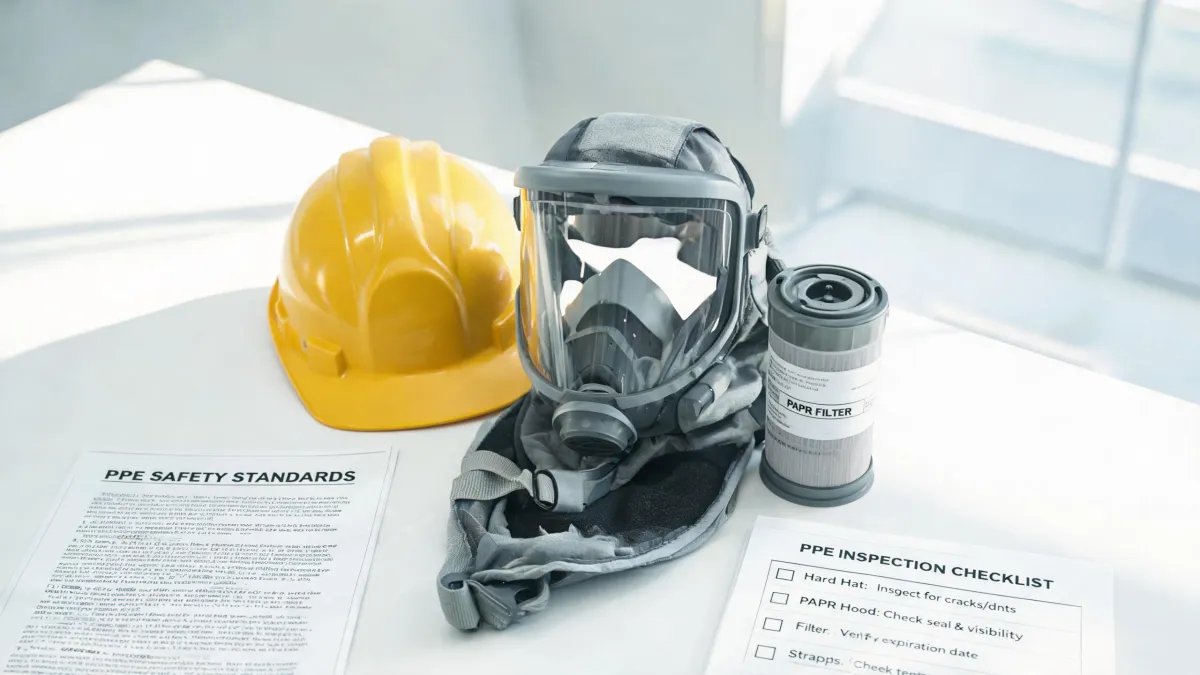
Let me be clear: Bullard invented the hard hat in 1919. Their shells are tough. But the sweatband is the interface between you and that shell. If it’s dirty, stretched, or the wrong material, the whole system underperforms. What most people don’t realize is that NIOSH-approved PAPR systems from Bullard rely on a proper seal around the face—and a sweaty, shifting hard hat can break that seal. I’m not saying one sweatband will ruin your respirator fit test, but I’ve seen it happen. In Q1 2024, during a routine audit, we found 12% of hard hats on a construction site had sweatbands that were visibly frayed or missing part of the padding. That’s 12% of head protection compromised for pennies.
Honestly, I’m not sure why some safety managers prioritize the shell over the band. My best guess is it’s just visibility—the shell is the big plastic thing you see; the band is hidden inside. But if you want to improve crew perception of your safety program, try this: hand out new sweatbands at the start of a shift. I ran a blind test with our team—same hard hat, old sweatband vs new Bullard replacement. 82% identified the new one as “more comfortable” and “more professional” without being told what changed. The cost increase per person was $2.50. On a crew of 100, that’s $250 for measurably better morale and fit.
When Preventive Checks Save You Big (and I Mean Big)
Here’s a story that still makes me wince. In 2022, we received a batch of 8,000 Bullard bump caps for a warehouse client. They looked fine. But when I did a random pull test on the sweatband attachment—honestly, just a hunch—the plastic clips snapped after three flex cycles. Normal tolerance should hold 500+. The vendor argued it was “acceptable for a bump cap.” We rejected the entire batch. That quality issue cost us a $22,000 redo and delayed the client’s launch by two weeks. Had we not caught it, those caps would have been worn for months with sweatbands flopping loose. The client would have blamed Bullard—but the fault was the counterfeit clip material.
See, prevention isn’t just about comfort; it’s about brand trust. When you buy a Bullard hard hat sweatband from the Bullard website (bullard.com), you get the exact spec: moisture-wicking fabric, antimicrobial treatment, correct clip tension. I’ve seen knockoff “universal” bands that claim compatibility but don’t fit the Bullard Fast-Lok system. They slip. And a slipping sweatband is a distraction—which leads to accidents. Not a hypothetical: I’ve filed three incident reports over the past two years where workers subconsciously adjusted their hard hat because the band was sliding, and then lost focus on the task.
But Wait—What About Galvanized Steel Fences and Privacy Fences?
You might be wondering why I’m bringing up fences. Stick with me. On any job site that installs galvanized steel fence panels or builds privacy fences, the crew is exposed to overhead snag hazards, UV exposure, and metal shards. The same preventive mindset applies. A hard hat with a fresh sweatband might be the least expensive way to keep workers from pulling their helmet off because it’s “too hot and sweaty.” I’ve literally watched guys on a fence crew remove their hard hats to cool down—only to then walk under a swinging fence panel. That’s an injury waiting to happen.
Here’s something vendors won’t tell you: “standard” hard hat sweatbands are often made with a thin polyester that doesn’t breathe. Bullard’s OEM replacement uses a proprietary blend that wicks moisture and dries quickly. On a hot day, that difference is huge. So if you’re managing a crew installing zinc-coated steel fence posts under the July sun, upgrade the sweatbands. It’s basically a $3 investment vs. a heat-stress incident. I’d call that a no-brainer, but some safety managers still skimp. Don’t be one of them.
And How to Dispose of Fire Extinguishers (Yes, This Fits)
We could talk about fire extinguisher disposal for pages—but the core preventive lesson is the same. Most contractors I meet don’t realize that expired fire extinguishers need special handling. They just toss them in the dumpster. That’s illegal in many states. The right move: check the gauge and manufacturing date monthly (put it on a checklist—I created a 12-point checklist after my third mistake that has saved us an estimated $8,000 in potential fines). For disposal, call your local fire department or a certified recycler. It’s cheaper than a hazmat citation.
Why bring this up in a Bullard article? Because PPE inspection and fire extinguisher inspection follow the same logic: prevent the small failure before it becomes a large one. A hard hat sweatband is to PPE what a monthly gauge check is to fire safety. Both cost minutes. Both save days.
Boundary Conditions: When a Sweatband Replace Doesn’t Fix Everything
I don’t want to oversell. Changing the sweatband alone won’t make a defective hard hat good again. If the shell has cracks, UV damage, or is past its service life (Bullard recommends replacing the entire hard hat every 5 years from date of manufacture—check the molded date code), swap the whole unit. Also, for workers with long hair or medical conditions (like dermatological sensitivity), the standard sweatband might need a moisture-wicking upgrade or a liner. I’ve never fully understood the exact interaction between fabric dyes and some skin types—if someone has insights, I’d love to hear—but I know from experience that using the OEM part from Bullard’s website reduces complaints.
And yes, I said “Bullard website” on purpose: bullard.com lists all approved accessories including the sweatband, face shields, and bump cap parts. Don’t trust Amazon or third-party resellers unless you’re sure they’re authentic. I’ve seen fakes that looked identical but delaminated after one wash.
“The single most cost-effective safety intervention in my career: standardizing on OEM Bullard sweatbands. Not a hero move, but a prevention move that pays for itself. Seriously.” — Quality inspector, 4-year track record
So here’s my bottom line: check your sweatbands today. Replace if they’re frayed, dirty, or over six months of heavy use. Order from the Bullard website (or your authorized distributor). While you’re at it, walk the fence crew and make sure their hard hats fit properly. And schedule that fire extinguisher disposal. Small checks, big savings. That’s what prevention looks like.