
Construction
Overhead impact, dropped tools, dust, heat, and mixed contractor workflows require clear helmet, suspension, eye-face, and PAPR escalation rules.
IND-D horizontal_stories
The same product category behaves differently in a refinery, a steel shop, a healthcare response area, and an electrical utility yard. This page organizes Bullard head and respiratory protection decisions around workplace stories instead of a generic industry list.
Horizontal scroll cards
Overhead impact, dropped tools, dust, heat, and mixed contractor workflows require clear helmet, suspension, eye-face, and PAPR escalation rules.

Grinding, welding, coating, and maintenance crews need accessory compatibility notes so head protection does not conflict with respiratory or face protection.

Dust, chemical exposure, heat, and confined access drive documentation for respiratory configuration, storage, and filter change assumptions.
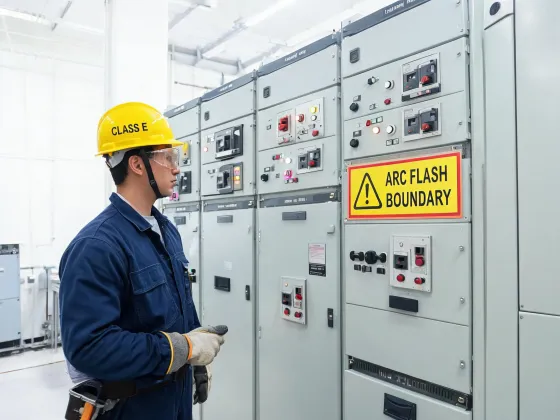
Electrical class, chin strap use, visor compatibility, and written replacement practices must be clear before field crews standardize a product.
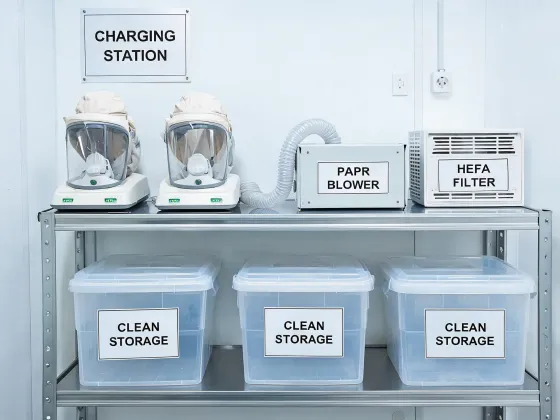
PAPR systems require stocking logic, battery readiness, hood sizing, cleaning responsibility, and training records before surge use.
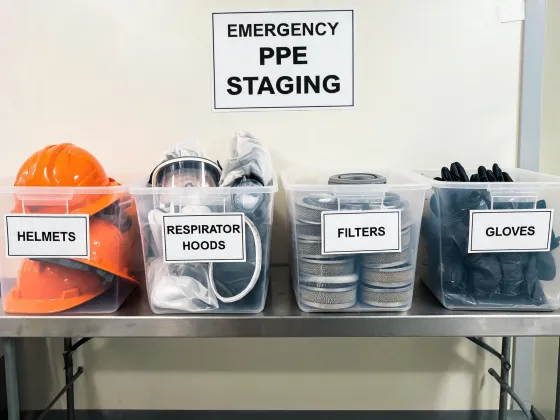
Response teams need durable staging, fast visual inspection, and simple accessory paths so equipment can be checked under pressure.
Card carousel
A manufacturer moving from mixed legacy hard hats to a controlled Bullard head protection program can document Type I versus Type II needs, accessory compatibility, sweatband usage, shell age review, and training language. The decision is easier to defend when each site receives the same category notes and reorder triggers.
A healthcare or emergency response buyer may need PAPR systems available before surge demand. The plan should document hood type, blower configuration, filter stock, charging intervals, cleaning steps, and which NIOSH approval records apply to the exact configuration under review.
Distributors often receive incomplete product requests such as "Bullard hard hat liner" or "PAPR hood" without enough context. A standards-aware intake form can reduce quote loops by capturing category, task, accessory, and documentation needs at the start.

Send the job task and exposure profile so the response can separate category fit, accessory compatibility, and standards references.
Request Workplace Consultation