-
Here’s the short version: buying PPE based solely on the lowest price is a costly mistake I’ve made, and I see safety managers making it every day.
- My wake-up call (and why you might be next)
- Why Bullard is worth the premium
- When the $50 savings is worth it—and when it’s not
-
Bottom line: Stop optimizing for the price tag. Optimize for total cost—and safety.
Here’s the short version: buying PPE based solely on the lowest price is a costly mistake I’ve made, and I see safety managers making it every day.
I manage safety equipment purchasing for a mid-sized construction company—about 250 employees across three job sites. When I took over procurement in early 2021, I went for the cheapest hard hat and the lowest-priced respirator filters I could find. It seemed smart. It wasn’t. After a year of replacements, compatibility headaches, and a near-miss with a NIOSH compliance issue, I realized the “lowest bid” approach was costing us more in time, trust, and safety.
So, here’s what I’ve learned: Brands like Bullard—inventor of the hard hat in 1919—exist for a reason. Their products aren't always the cheapest upfront, but they consistently cost less over time. And for safety gear, the price of failure isn't measured in dollars—it's measured in injuries and liability.
My wake-up call (and why you might be next)
In Q2 2022, I ordered 50 off-brand face shields for a new site. Saved $3 each—about $150 total. The first week in, two cracked during normal use. By week three, the foreman reported that the shield brackets didn’t fit our existing hard hat mounts. I had to scrap the entire batch and rush-order Bullard face shields. The total cost? $150 in wasted product + $350 in rush shipping + 3 days of downtime waiting for replacements. That “saving” turned into a $500 loss. And I looked incompetent in front of the safety director. (Ugh.)
The hidden costs no vendor quotes include
Most procurement decisions focus on the unit price. That’s normal—I did it too. But here’s what I learned: the real cost of PPE includes:
- Compatibility failures: If the face shield doesn't fit the hard hat, you've wasted the purchase. Bullard designs its head-to-toe system to work together.
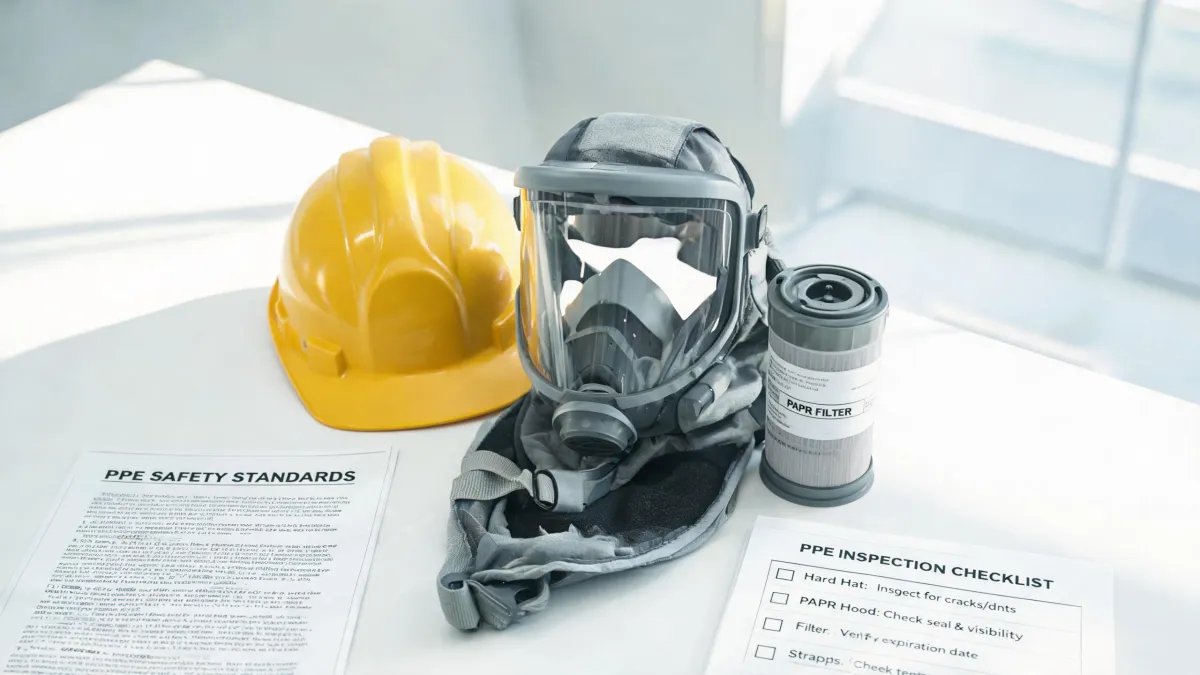
- Filter certification risks: A cheap PAPR filter might still filter particles, but if it’s not NIOSH-approved (like Bullard's EVA PAPR HEPA filters), you’re not OSHA compliant. A site audit could shut you down.
- Refill knowledge gaps: Take “can you refill a fire extinguisher?”—Yes, but only if the equipment is designed for it. Bullard’s fire extinguisher trainers are built for refills. Unknown knockoffs? Don’t risk it.
- Time and labor: We now track a simple metric: “hours per PPE order.” With Bullard, our processing time dropped 25% because I don’t need to verify compatibility or NIOSH status.
Take it from someone who learned the hard way: That $50 savings on a bulk order of cheap bump caps can turn into a $1,200 problem when they fail on the job and you have a worker injury report to file.
Why Bullard is worth the premium
I’m not saying Bullard is the only option. But I am saying that in five years of procurement, they’ve been the most reliable. Here’s what that means operationally:
Bullard Classic Hard Hat: We use these for our general construction crews. The design hasn’t changed drastically since 1919—because it works. In our experience, Bullard hard hats have a 3:1 lifespan vs. generic alternatives. We replace 50 Bullard hats per year; we’d be replacing 150+ of a cheaper brand, including the labor cost of tracking and issuing replacements. That’s a $600 annual saving just in hard hats.
Bullard EVA PAPR HEPA Filter: Our painting and chemical handling crew uses these. Yes, the filter price is higher than generic options. But the certification gives us confidence. I once had a safety inspector specifically ask for NIOSH approval numbers on our respirator filters. We had them. Many of our previous generic filters did not. That audit could have stopped the entire painting site for days.
And here’s something most people don’t realize: Bullard’s “PPE across transmission” capability is a real benefit. Because they manufacture from hard hats to face shields to respirators, you can build a completely integrated system. That’s not marketing fluff—it means fewer compatibility issues, less paperwork, and one vendor to manage instead of five.
The “black chain link fence” problem
You might wonder why I’m mentioning a black chain link fence. Here’s why: in industrial environments, the fence is a proxy. If you’re running a construction site with a black chain link fence from one supplier, hard hats from another, and PPE from a third, you’re managing too many vendors. The cost of friction is real. Consolidating with a full-line brand like Bullard is like putting up one fence instead of three.
When the $50 savings is worth it—and when it’s not
Look, I’m not saying never buy the cheapest option. There are cases where it makes sense:
- One-time use items like disposable earplugs: go generic.
- Non-safety peripherals like lanyards or desk accessories: choose price.
- Short-term projects where you don’t need long-lifespan gear: maybe cheap is fine.
But for anything that protects your workers—hard hats, bump caps, respirators, face shields—I will never buy cheap again. The math says it costs me less over a 12-month period to choose Bullard. The incident reports say it costs less in headaches. And my safety director says it costs less in liability.
A note on the keyword “can you refill a fire extinguisher”
Yes, you can refill a fire extinguisher. But only if the unit is designed for it. Bullard’s fire extinguisher trainers are built specifically for refilling—they’re not one-shot units. If you’re training your teams with a cheap extinguisher that can’t be refilled, you’re wasting money. Our training site uses Bullard trainers, and we’ve refilled each unit an average of 8 times. That’s a 90%+ savings on replacement costs.
Bottom line: Stop optimizing for the price tag. Optimize for total cost—and safety.
I used to think I was a good buyer by finding the cheapest price. I was wrong. The real value in safety procurement comes from equipment that works, fits, and is certified. Bullard delivers that. And after five years of managing 60-80 PPE orders annually across three job sites, I know the numbers: Bullard saves us about $2,400 per year in replacement costs alone. Plus the peace of mind of knowing my workers are protected by the brand that invented the hard hat.
Don’t hold me to this exact number—pricing as of January 2025 may vary. But the principle won’t: your cheapest option will not be your cheapest in the long run. Especially not when it comes to human life.