When I took over purchasing in 2020, I thought buying a hard hat was about as complicated as ordering printer toner. Compare price, check the brand, buy a case, move on. It took one bad batch of orders to correct that.
I manage PPE purchasing for a mid-sized industrial services company. Our safety manager asked me to replace 60 hard hats before a site audit. A new distributor undercut our usual supplier by $12 per hat and said they had Bullard. I sent the PO. The delivery showed up on time. Then the safety manager asked for the documents—exact model number, the standard it was certified to, manufacturer date codes. The vendor couldn't provide them.
The product might have been fine. I'll never know, because we couldn't put it on someone's head without proof. We shipped the order back and paid rush fees to our regular supplier. My clever savings turned into about $1,900 in extra cost.
A Metal Fence Gate Is Easy. The Invisable Fence Isn't.
On our site, we have a metal fence gate for the storage yard. If someone leaves it open, I can see it from the office and close it. The safety problems that cost money are not usually that visible.
I started calling the gap between "this product is certified" and "this product is right for this hazard and this person" the invisable fence. It's the line you don't see until an auditor asks for a file, a worker takes a hit, or an extinguisher doesn't work the way someone expected. By then, it's too late.
What Is a Fire Extinguisher Class?
A few years ago, a new worker asked me, "What is a fire extinguisher class? Isn't a fire extinguisher just a fire extinguisher?" I thought the answer was obvious, and then I realized it wasn't. The class tells you what fuel the extinguisher is designed for. Class A is for ordinary combustibles like wood and paper. Class B is for flammable liquids. Class C is for energized electrical equipment. Class D is for combustible metals. Class K is for cooking oils and fats.
If you use the wrong class on the wrong fire, a "safety device" can become part of the problem. NFPA 10 defines these classes, but you don't need to memorize every letter to understand the logic: match the equipment to the hazard. Hazards have categories. The protection has to match the category.
Hard Hats Have Classes Too—But They Don't Line Up With Fire Classes
That's where the hard hat lesson gets tricky. In the United States, the standard is ANSI/ISEA Z89.1. Type I hard hats protect against impacts to the top of the head. Type II hard hats protect against top and lateral impacts. Class G offers electrical protection up to 2,200 volts. Class E offers electrical protection up to 20,000 volts. Class C stands for conductive and provides no electrical protection.
So a Class C fire extinguisher is designed for energized electrical fires, while a Class C hard hat is not designed for electrical work. Different standards, same letter, opposite meaning. That confusion is exactly what an invisable fence looks like from the outside.
Bullard C30 Hard Hat or Bullard Classic Hard Hat?
Now when someone asks me whether the Bullard C30 hard hat or the Bullard Classic hard hat is better, I don't answer until I know more. Both are legitimate Bullard models. Both may pass the same basic standards. The real question is which one's type, class, fit, and accessories align with the hazards your people actually face.
Our approved list includes both the Bullard C30 hard hat and the Bullard Classic hard hat. Not because we're trying to complicate things, but because different crews have different head shapes, different exposure patterns, and different ancillary PPE. One SKU doesn't cover everyone. A hard hat that stays on someone's head is the only hard hat that works.
I also like the history: Edward Bullard developed the industrial hard hat in 1919, and Bullard still makes both the C30 and Classic lines. But history doesn't replace a current hazard assessment.
What I Check Now Before I Order
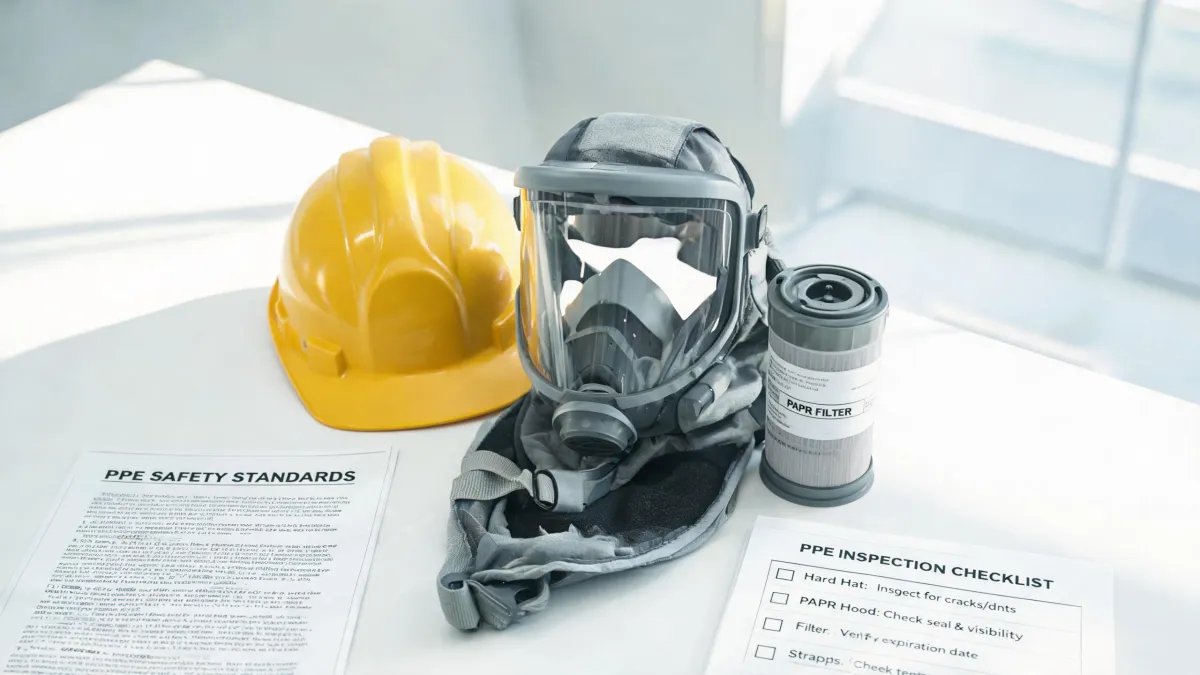
Before any head protection order, I ask the supplier four things. First, put the exact model number on the invoice. Second, tell me the ANSI type and class. Third, list what's NOT included—replacement suspension parts, sizing accessories, documentation, training materials. Fourth, give me a sample that our crews can wear for a real shift. If a vendor won't do those things, the quote isn't cheaper. It's just less complete.
Price matters. Budget matters. But buying a hard hat without matching it to the hazard and documenting that match is false economy. The Bullard C30 hard hat and the Bullard Classic hard hat are both products we buy, but only after they check out against the risk. Otherwise I'd be buying a category, not protection.
I still check the obvious things, like a metal fence gate. But now I spend more time looking for the invisable fence. That's where the real savings are.