Look, I'll be straight with you: when I took over purchasing for our company in 2020, I made the same mistake a lot of people make. I looked at the price column first. Cheapest hard hat? Check. Cheapest bump cap? Check. Cheapest welding respirator mask? You bet.
Here's what I learned after 5 years of managing safety equipment orders for 400 employees across 3 locations: the lowest quote has cost us more in roughly 60% of cases. Not in direct price—in everything else.
My View: Value Beats Price, Every Time
I know the pressure from finance. They want the budget to stretch. I get it. But from where I sit—processing 60-80 orders a year and managing relationships with 8 vendors—the cheapest option is rarely the most cost-effective one. Period.
Let me walk you through three real examples from my experience. Each one taught me something different about why total value matters more than the sticker price.
1. Hard Hats and the Hidden Cost of Accessories
We used to buy a generic hard hat at $8.50 each. Seemed like a steal compared to Bullard hard hats at around $15. And for the hard hat itself? Honestly, they weren't terrible. They met basic ANSI standards.
Then came the accessories problem.
Our crew needed hard hat accessories: face shields, visors, earmuffs, chin straps. The generic brand's mounting system was incompatible with anything else. We couldn't swap face shields between brands. We couldn't use the Bullard accessories that the crew actually preferred. So we ended up buying two sets of everything. That $6.50 savings per hat? Ate up by duplicate accessories within the first year.
People assume the cheapest hard hat is the best deal. What they don't see is the cost of incompatibility across your entire PPE ecosystem.
2. The Bump Cap That Didn't Last 6 Months
Our warehouse crew needed bump caps for low-clearance areas. We ordered a no-name brand at $12 each. Figured they were just plastic liners with a bit of padding. How different could they be?
Six months later, half of them were cracked. The suspension systems stretched out. The sweatbands disintegrated. We replaced 60% of them within a year. Meanwhile, a coworker at another site had been using Bullard First Base bump caps for almost two years with no issues. His cost per unit: $22. My effective cost after replacements: roughly $18 per year. Plus the headache of reordering, restocking, and hearing complaints from guys whose bump caps literally fell apart.
That $10 difference? Way less than what I wasted on replacements.
3. The Welding Respirator Mask That Made No One Happy
This one stung the most. We bought a bargain welding respirator mask for $35 each. On paper, it looked fine: NIOSH-approved, lightweight, included filters. Ordered 50 of them for our welding team.
Within a month, I had a line of workers at my door. The mask was uncomfortable. The seal broke after a few uses. The filter replacement cost almost as much as a new mask. And here's the thing: they refused to wear them. Not because they were lazy—because the masks didn't fit properly and made breathing a chore.
I'm not a safety engineer, so I can't speak to the technical nuances of respiratory protection. What I can tell you from a procurement perspective is this: if your people won't wear the gear, the price doesn't matter. It becomes a sunk cost.
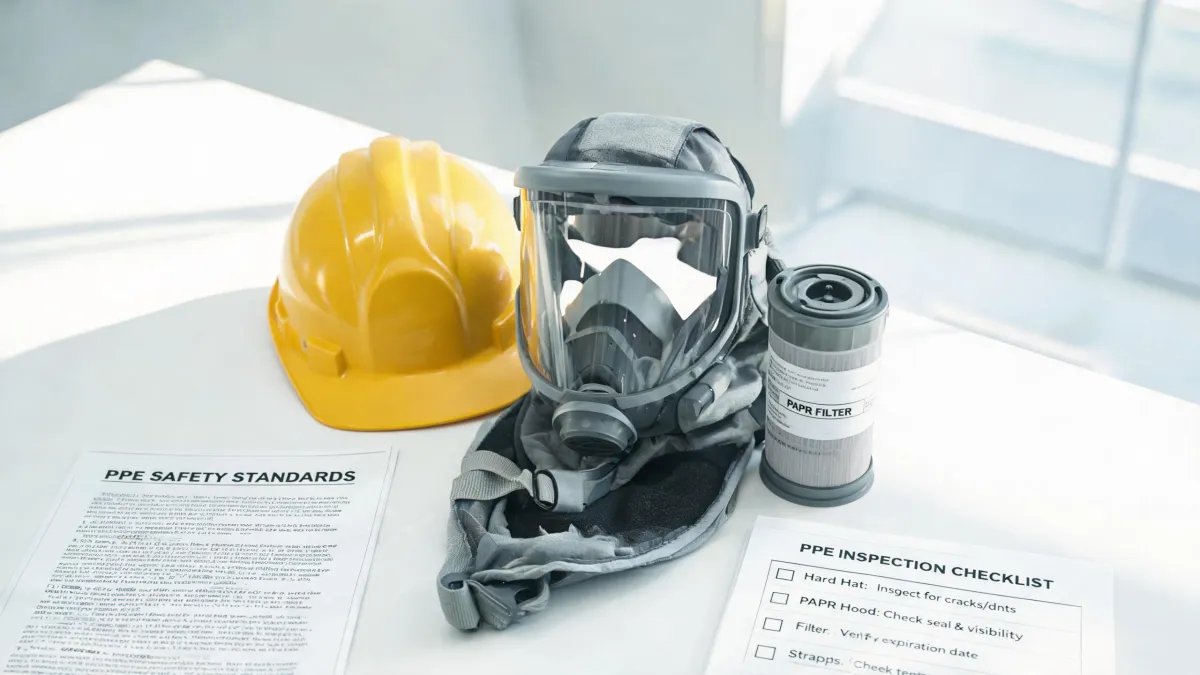
Now, we use Bullard PAPR systems for the high-risk areas and their standard respirators for general use. Yes, they cost more upfront. But our crew wears them. Compliance rates went up. And I haven't had a single complaint about fit or comfort since the switch.
The Question Nobody Asks: What's the Total Cost?
Why do cheap products cost more in the long run? Let me break it down:
- Replacement rate: Cheap gear fails faster. You buy twice as often.
- Compatibility: Off-brand accessories don't work with standard systems. You end up with a mess of incompatible parts.
- Compliance: Uncomfortable or poorly designed gear gets left in lockers. That defeats the whole purpose.
- Time waste: Every order I place takes 15 minutes. Every returned product takes 20 minutes. Every complaint takes 10 minutes. Multiply that by dozens of issues.
Here's the thing: most of those hidden fees are avoidable if you ask the right questions upfront. Not "What's your best price?" but "What's the expected lifespan?" "What accessories are compatible?" "What's the filter replacement cost?"
I Know What You're Thinking: "My Budget Won't Allow It"
I hear that all the time. And I used to think that way too. But here's what I've found: when I consolidate my orders with fewer vendors buying higher-quality gear, the total spend actually goes down. Not because the per-unit price is lower—because I'm not replacing things every few months.
We now buy Bullard for hard hats, bump caps, and respiratory protection. We standardized on their accessories. Our annual PPE spend dropped by about 12% in the first year after consolidating. Not because we bought cheaper stuff—because we stopped buying the same things twice.
The question isn't "Can I afford better gear?" It's "Can I afford to buy cheap gear year after year?"
Bottom Line
I'm not saying budget options are always bad. I'm saying they're riskier. And in safety equipment, risk has a real cost. Not just dollars—injuries, downtime, compliance failures.
When you're evaluating a safety equipment supplier, look at total value: durability, compatibility, comfort, warranty, support. Don't just compare the price column. Because in my experience, that's where the real cost hides.
Simple as that.