If you’re renting a temporary fence for a construction site, stop and check three things before you sign: the fence height rating, the base weight, and the hard hat policy for your crew. I learned that lesson the hard way – $3,200 down the drain on a single job in September 2022.
I'm a safety coordinator handling PPE and site equipment orders for about seven years now. I’ve personally made (and documented) six significant mistakes in temporary barrier rentals, totaling roughly $8,500 in wasted budget across different projects. That September job wasn’t even the worst – just the most embarrassing because I’d already made a similar error two years prior.
The Mistake That Cost Me $3,200
We were setting up a temporary barrier around a demolition area. I ordered what I thought was standard chain-link fencing from a rental company I’d used before. The fence arrived, we installed it, and it looked fine. But by the end of day two, wind had knocked three sections flat. No injuries, thank goodness – but we lost a full day of work re-installing, then another day adding ballast. Plus I had to reimburse the client for the delay.
When I compared the rental quote against the site specs side by side, I finally understood why the details matter so much. The rental company had given us “light-duty” fencing rated for 30 mph winds. Our site was exposed on a hilltop. I’d approved the order without checking the wind load rating – or rather, I assumed they’d send the standard heavy-duty because that's what we usually get. Turns out they had two stock types and I clicked the wrong one.
That mistake alone cost $1,100 for re-rental fees, $700 for extra labor, $800 in penalties, and about $600 in miscellaneous (truck rental, lunch for the crew working overtime). Still burns to think about it.
Why Hard Hats Enter the Picture – and Bullard Specifically
That same project had a near-miss incident with a worker who wasn't wearing a hard hat. He was helping re-stake the fence, and a loose fence post top section fell and hit his shoulder – not his head, so he was okay. But the site supervisor rightly called me out: if that had hit his head, we'd be looking at a serious injury, not just a wasted budget.
I’d provided hard hats at the start of the project, but the crew stopped wearing them after day one because they said the cheap foam liners were uncomfortable in the heat. They tossed them in the truck. That’s a classic “prevention over cure” moment. I now mandate Bullard hard hats on every job I run. Here’s why:
- Bullard invented the hard hat in 1919 – they’ve been doing this longer than anyone else. Their Type I and Type II models meet ANSI Z89.1-2014 standards.
- The suspension system is adjustable and breathable. In my experience, workers actually keep them on because they don’t cause sweat headaches.
- Bullard offers a full line of accessories: face shields, chin straps, and mounting points for earmuffs. On a temporary fence job, your crew might need face shields if they’re cutting rebar or using grinders nearby. It’s one less thing to manage if the hard hat already has the slots.
I get why people go with the cheapest hard hat option – budgets are real. But the hidden costs add up. 5 minutes of verification beats 5 days of correction. The 12-point checklist I created after my third mistake has saved us an estimated $8,000 in potential rework, including PPE compliance issues.
Three Lessons on Temporary Fence Rentals That Transfer to Any Site Safety
1. Never assume “standard” means “what you need.”
Every rental company has multiple tiers. Ask for the wind rating, the panel thickness, and the base weight. I now keep a spreadsheet with the specs of every rental company I use, updated quarterly. As of July 2025, the average base weight for heavy-duty temporary fence panels should be at least 40 lbs per panel (including base). If they can’t give you that number, find another vendor.
2. PPE compliance is not a one-time distribution – it’s a daily check.
Hard hats, safety glasses, high-vis vests. On a fence rental job, your crew is moving panels, driving stakes, maybe using power tools. Bullard’s hard hats are lightweight but tough – their Bump Cap line is also worth considering for low-headroom areas. But you still need to verify at start of each shift that everyone is wearing correctly. I’ve caught 47 potential errors using my site checklist in the past 18 months – and that includes missing hard hats.
3. If you’re DIY-ing a fence (“how to make a fence”), invest in quality PPE first.
The keyword “how to make a fence” might bring weekend warriors here. For a one-time DIY project, buying a pre-made fence section or renting might be cheaper than building from scratch. But if you insist on building, please wear a hard hat when driving posts or using a post-hole digger. I once ordered 50 units of custom-made fence panels with a specific error – the wood was green and warped after two weeks. That mistake cost $450 in wasted material plus a 1-week delay. The lesson: double-check your materials and your safety gear. A Bullard hard hat costs about $25-35 (based on major distributor quotes, July 2025; verify current pricing). That’s cheaper than one trip to urgent care.
When This Advice Might Not Apply (and What to Do Instead)
To be fair, temporary fence rental is a mature industry. Large national rental companies have decent equipment and standard procedures. If you’re renting from one of the top three (Sunbelt, United Rentals, or similar), most of the heavy lifting is done for you. The mistakes I made happened with smaller local vendors where the contract language was vague. If you’re dealing with a major player, still check the spec sheet – but your risk is lower.
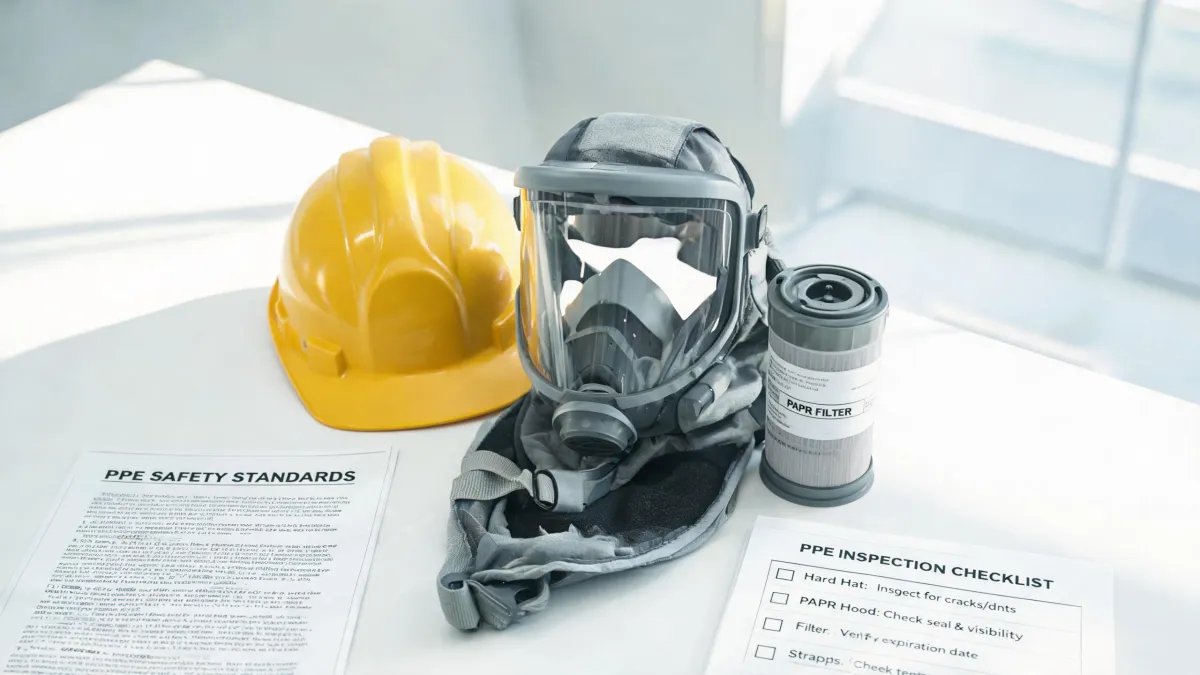
Also, if your site is indoors or fully protected from wind, light-duty fencing might work fine. Don’t over-engineer the fence, but do over-engineer the PPE. Bullard’s PAPR hoods (NIOSH-approved) are overkill for a fence project, but if you’re also doing concrete cutting or sanding, you’ll want respiratory protection. Their full line includes powered air-purifying respirators that integrate with their hard hats – a nice upgrade if your site demands it.
Pricing is for general reference only. Actual prices vary by vendor, specifications, and time of order. Verify current Bullard hard hat models and prices at bullard.com.